





Customized Enterprise Courses
Speak the language of your CEO.
To drive true strategic alignment, your team needs to understand more than just general business concepts—they need to understand your business, your industry, and your strategy.
Generic training doesn't cut it. That’s why Acumen Learning’s Building Business Acumen® courses are fully customized to mirror the exact metrics, challenges, and goals that keep your CEO up at night.
Trusted by 34 Fortune 50 Brands






The Customization Process
We don't believe in plug-and-play training. Every standard client customization includes a deep dive into your organization to ensure the material resonates from day one. Our process includes:
- We talk to your leaders to uncover your specific organizational goals and pain points.
- We analyze your competitive landscape, regulatory hurdles, and market position.
- We build custom content that integrates your company’s actual financial reports and strategic initiatives.
- Your tailored curriculum is locked in for all future deliveries—whether onsite, virtual, or on-demand.

Why Choose Customized, Instructor-Led Training?
Whether you bring in an expert Acumen Learning consultant or certify an internal trainer to lead the program, your employees (from Director-level and above to cross-departmental teams) will experience a program that is:
Unmatched Industry Expertise Our consultants have worked directly with over 200 companies and researched all of their top competitors. Whether it's retail growth strategies, shifting hospital regulations, or energy sector leadership, we bring unparalleled perspective directly to your team.
Engaging
We make business and finance—dare we say—fun. Your team will stay locked in using polls, voting, breakout rooms, teach-backs, games, Socratic discussions, and real-world case studies.
Actionable
Training doesn't end when the session does. Graduates leave equipped with tools like earnings call analyses, job aids, and follow-up activities to apply their new knowledge immediately.
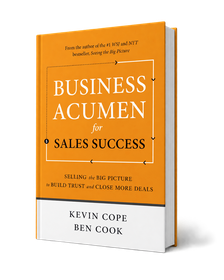
Business Acumen for Sales Success
Break free from industrial-era sales strategies to build trust.
Sales is no longer about "pitching"; it’s about "consulting." If your reps don't understand how their customers make money, they will always be stuck competing on price.
Your sales team will learn:
- How to move from "vendor" to "trusted advisor" by analyzing a prospect’s 10-K.
- How to stop selling features and start selling ROI.
- How to have confident conversations with CFOs and VPs.
Session 1: The 5 Business Drivers®
- Executive Perspective: Define drivers from the customer's executive team viewpoint.
- Investment Influence: Explain how each driver shapes purchasing priorities.
- Performance Metrics: Analyze specific metrics customers use to measure success.
- Benchmarking: Compare customers against industry peers to pinpoint pain points.
- Solution Alignment: Align your product to drivers to demonstrate strategic impact.
Note: Session 1: The 5 Business Drivers is required and must be completed first to establish the foundational framework. All subsequent sessions follow our recommended outline but can be moved, emphasized, or skipped based on your specific learning requirements and organizational goals.
Session 2: Functional Awareness
- Functional Priorities: Identify driver prioritization across customer departments.
- Decision Lens: Adopt departmental viewpoints to understand decision-making.
- Persona Mapping: Map buyer personas to specific drivers for tailored messaging.
- Cross-Functional Synergy: Recognize how priorities collectively impact goals.
- Aligned Solutions: Match solutions to the unique priorities of every stakeholder.
Session 3: Executive Alignment
- Strategic Priorities: Analyze executive messaging to uncover top priorities.
- Opportunity Scoping: Interpret earnings calls to identify sales opportunities.
- Account Prioritization: Leverage insights to target high-value prospects.
- Bridging the Gap: Connect "tone at the top" to specific solution addresses.
- Building Urgency: Pivot conversations toward executive goals for momentum.
Session 4: Simplifying the Financials
- Deconstruct Statements: Identify "hidden" pain points in customer reports.
- P&L Narrative: Interpret the "story" to understand profit and loss drivers.
- Urgency Metrics: Identify financial markers indicating a need for action.
- ROI Articulation: Show how your solution directly impacts financials.
- Business Case: Translate data into a compelling investment narrative.
Session 5: Comprehensive Customer Analysis
- Applied Tools: Use acumen tools on a high-priority account in teams.
- Deep-Dive: Perform analysis on a customer, competitor, or supplier.
- Strategic Account Plan: Synthesize data into a cohesive plan.
- Strategic Debrief: Present findings to identify entry points and risks.
- Sales Velocity: Evaluate tools to improve real-time decision-making.
Session 6: Acumen in Action
- Insight Sharing: Report findings and learnings to sales leadership.
- Monday Morning Plan: Develop action plans for current deals.
- AI Acceleration: Leverage AI and expert prompting for synthesized research.
- Market Literacy: Plan for continued business and financial growth.
- ROI Discovery: Identify specific value opportunities in accounts.
Quarterly Sessions: Earnings Call Debriefs
- Executive Commentary: Identify shifting priorities via CEO/CFO talk.
- Guidance Comparison: Evaluate performance vs. quarterly guidance.
- Q&A Insights: Identify new opportunities from analyst inquiries.
- Strategy Reorientation: Align account plans with messaging.
- Credibility Maintenance: Stay current on market positioning.
Building Business Acumen®
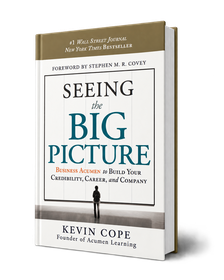
Business acumen to build your credibility, career, and company.
The #1 reason strategies fail isn't a lack of effort. It's a lack of alignment. This program bridges the gap between individual roles and corporate profitability.
Your leaders will learn:
- How to simplify any complex company into five understandable metrics.
- How to align everyday tasks with the company’s "Big Picture" goals.
- How to speak the language of leadership to gain buy-in and resources.
- How to make choices that improve cash flow, not just "activity."
Session 1: The 5 Business Drivers®
- Think Like a CEO: Define Cash, Profit, Assets, Growth, and People.
- Big Picture: Explain the significance of each driver to long-term sustainability.
- Metric Analysis: Identify and evaluate key performance metrics for each driver.
- Market Benchmarking: Compare current performance against industry standards and competitors.
- Personal Impact: Identify specific actions within your role to influence these drivers.
Note: Session 1: The 5 Business Drivers is required and must be completed first to establish the foundational framework. All subsequent sessions follow our recommended outline but can be moved, emphasized, or skipped based on your specific learning requirements and organizational goals.
Session 2: Functional Awareness & Executive Alignment
- Cross-Functional Priorities: Identify the primary drivers for HR, Ops, Finance, and Sales.
- Perspective Shifting: Adopt the "lens" of other departments to understand their decision processes.
- Systems Thinking: Recognize the interconnectedness of functions and their collective impact.
- Strategic Communication: Align your language with the priorities of other divisions.
- Executive Synthesis: Align functional goals with the broader company vision.
Session 3: Navigating the Financials
- Financial Structure: Deconstruct the P&L, Balance Sheet, and Cash Flow statements.
- P&L Narratives: Interpret the "story" behind profit and loss drivers.
- KPI Prioritization: Identify financial metrics most critical to organizational success.
- Statement Relationships: Articulate how the P&L ties directly to the Balance Sheet.
- Operational Impact: Translate daily decisions into their eventual financial report outcomes.
Session 4: Comprehensive Company Analysis
- Real-World Application: Apply acumen tools to a business entity in a team setting.
- Deep-Dive Analysis: Perform analysis on the company, a competitor, or a supplier.
- Breakout Collaboration: Synthesize complex financial data into a cohesive summary.
- Strategic Debrief: Present findings highlighting key risks and competitive advantages.
- Practical Evaluation: Use analysis tools to improve real-time decision-making.
Session 5: External Acumen & Innovation Management
- External Factors: Analyze the impact of interest rates, tariffs, and macro trends.
- Stock Market Mechanics: Explain stock market fluctuations and the significance of the P/E ratio.
- Innovation Life Cycle: Outline the journey from initial ideation to market exit.
- Growth Drivers: Assess how innovation management fuels long-term competitiveness.
- Strategic Integration: Incorporate external trends into internal planning.
Session 6: Acumen in Action
- Peer Reporting: Synthesize and report key findings to peers and leadership.
- Monday Morning Plan: Develop an immediate action plan for current projects.
- Pull-Through Strategies: Share insights with direct reports and your broader team.
- Continuous Growth: Formulate a long-term plan for continued financial literacy.
- ROI Identification: Find specific opportunities for ROI within your department.
Quarterly Sessions: Earnings Call Debriefs
- Tone at the Top: Identify shifting strategic priorities from CEO/CFO commentary.
- Performance Review: Evaluate recent results against the 5 Drivers and guidance.
- Q&A Insights: Understand specific concerns and interests of market analysts.
- Team Alignment: Ensure day-to-day work aligns with the latest corporate messaging.
Applying Business Acumen
Business acumen to build your credibility, career, and company.
The #1 reason strategies fail isn't a lack of effort—it's a lack of alignment. This program bridges the gap between individual roles and corporate profitability.
Your leaders will learn:
- The 5 Business Drivers: How to simplify any complex company into five understandable metrics.
- The "CEO Mindset": How to align everyday tasks with the company’s "Big Picture" goals.
- The Language of Profit: How to speak the language of leadership to gain buy-in and resources.
- Decision Acumen: How to make choices that improve cash flow, not just "activity."
Session 1: The 5 Business Drivers®
- Think Like a CEO: Define Cash, Profit, Assets, Growth, and People.
- Big Picture: Explain the significance of each driver to long-term sustainability.
- Metric Analysis: Identify and evaluate key performance metrics for each driver.
- Market Benchmarking: Compare current performance against industry standards and competitors.
- Personal Impact: Identify specific actions within your role to influence these drivers.
Note: Session 1: The 5 Business Drivers is required and must be completed first to establish the foundational framework. All subsequent sessions follow our recommended outline but can be moved, emphasized, or skipped based on your specific learning requirements and organizational goals.
Session 2: Functional Awareness & Executive Alignment
- Cross-Functional Priorities: Identify the primary drivers for HR, Ops, Finance, and Sales.
- Perspective Shifting: Adopt the "lens" of other departments to understand their decision processes.
- Systems Thinking: Recognize the interconnectedness of functions and their collective impact.
- Strategic Communication: Align your language with the priorities of other divisions.
- Executive Synthesis: Align functional goals with the broader company vision.
Session 3: Navigating the Financials
- Financial Structure: Deconstruct the P&L, Balance Sheet, and Cash Flow statements.
- P&L Narratives: Interpret the "story" behind profit and loss drivers.
- KPI Prioritization: Identify financial metrics most critical to organizational success.
- Statement Relationships: Articulate how the P&L ties directly to the Balance Sheet.
- Operational Impact: Translate daily decisions into their eventual financial report outcomes.
Session 4: Comprehensive Company Analysis
- Real-World Application: Apply acumen tools to a business entity in a team setting.
- Deep-Dive Analysis: Perform analysis on the company, a competitor, or a supplier.
- Breakout Collaboration: Synthesize complex financial data into a cohesive summary.
- Strategic Debrief: Present findings highlighting key risks and competitive advantages.
- Practical Evaluation: Use analysis tools to improve real-time decision-making.
Session 5: External Acumen & Innovation Management
- External Factors: Analyze the impact of interest rates, tariffs, and macro trends.
- Stock Market Mechanics: Explain stock market fluctuations and the significance of the P/E ratio.
- Innovation Life Cycle: Outline the journey from initial ideation to market exit.
- Growth Drivers: Assess how innovation management fuels long-term competitiveness.
- Strategic Integration: Incorporate external trends into internal planning.
Session 6: Acumen in Action
- Peer Reporting: Synthesize and report key findings to peers and leadership.
- Monday Morning Plan: Develop an immediate action plan for current projects.
- Pull-Through Strategies: Share insights with direct reports and your broader team.
- Continuous Growth: Formulate a long-term plan for continued financial literacy.
- ROI Identification: Find specific opportunities for ROI within your department.
Quarterly Sessions: Earnings Call Debriefs
- Tone at the Top: Identify shifting strategic priorities from CEO/CFO commentary.
- Performance Review: Evaluate recent results against the 5 Drivers and guidance.
- Q&A Insights: Understand specific concerns and interests of market analysts.
- Team Alignment: Ensure day-to-day work aligns with the latest corporate messaging.
What does your "standard customization process" actually look like?
We don't just slap your logo on a slide deck. Our customization is a deep dive into your organization. We conduct stakeholder interviews with your leaders to uncover specific pain points, analyze your competitive and regulatory landscape, and build your actual financial reports and strategic initiatives directly into the curriculum. Best of all, once your tailored curriculum is built, it’s locked in for all future deliveries—whether onsite, virtual, or on-demand.
Can we use our own internal trainers to deliver these courses?
Yes! You have the flexibility to bring in an expert Acumen Learning consultant to facilitate, or you can choose to certify an internal trainer within your organization to lead the programs in-house. We call this option Signature.
Are the course agendas rigid, or can we modify the sessions?
While Session 1: The 5 Business Drivers® is a required prerequisite to build a foundational framework, all subsequent sessions are highly flexible. You can move, emphasize, or completely skip sessions based on your team's specific learning requirements and organizational goals.
My team isn't in finance. Will this material be too dry or complex for them?
Not at all. We make business and finance—dare we say—fun. We use an interactive approach utilizing polls, voting, breakout rooms, games, and Socratic discussions. Furthermore, we don't look at numbers in a vacuum; we look at the narrative behind the P&L and Balance Sheet, so cross-functional leaders (from HR to Ops) understand how their daily choices impact the company's financial story.
How do you ensure the training sticks after the course is over?
Training doesn't end when the session wraps up. We provide a post-course portal with job aids, videos, books, and specialized tools such as Quarterly Earnings Call Debriefs. We also encourage participants to create an action plan.